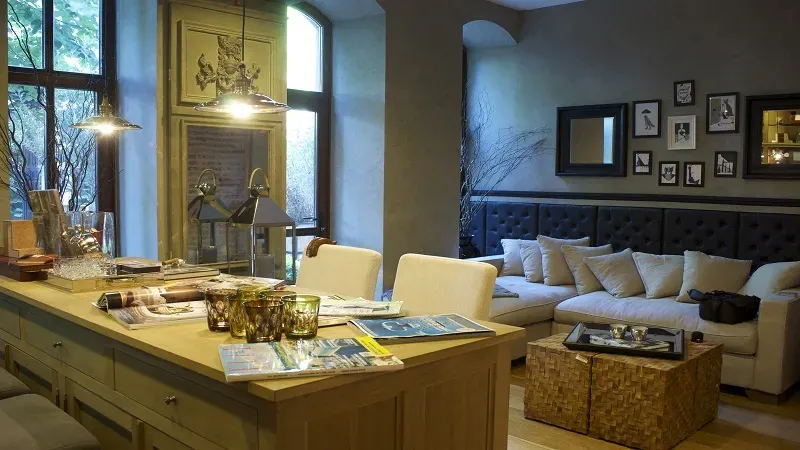
Living in a compact home doesn’t mean sacrificing comfort or style. In fact, smaller spaces can be more efficient, easier to maintain, and surprisingly elegant when designed thoughtfully. With the right strategies, you can transform even the tiniest apartment or room into a functional and visually appealing space. This article will guide you through practical, easy-to-follow design tips that help you make the most of every inch.
Understanding the Value of Small Spaces
Compact homes are becoming increasingly popular due to urban living, affordability, and sustainability. While they may present challenges such as limited storage or restricted layouts, they also encourage creativity and mindful living.
The key to success lies in smart planning and intentional design choices. Instead of focusing on limitations, shift your perspective to possibilities. A well-designed small space can feel open, organized, and stylish without requiring a large budget.
1. Prioritize Functionality First
Before decorating, focus on how your space will be used. Every item should serve a purpose.
Tips:
- Choose furniture that fits your lifestyle.
- Avoid overcrowding with unnecessary pieces.
- Think about daily routines and movement within the space.
For example, a foldable dining table or a sofa bed can serve multiple purposes, reducing clutter while maintaining comfort. Functionality is the foundation of Small Space, Big Style: Smart Design Tricks for Compact Homes Made Easy, ensuring your home works for you.
2. Use Multi-Functional Furniture
One of the best ways to maximize space is by investing in furniture that serves more than one function.
Examples:
- Storage ottomans that double as seating
- Beds with built-in drawers
- Wall-mounted desks that fold away when not in use
These pieces help you save space while keeping your home organized and stylish. Multi-functional furniture is not just practical—it’s essential in compact living.
3. Embrace Vertical Space
When floor space is limited, think vertically. Walls are often underutilized but offer excellent storage and design opportunities.
Ideas:
- Install floating shelves for books and décor
- Use tall cabinets instead of wide ones
- Hang hooks for bags, coats, or kitchen tools
By going vertical, you free up valuable floor space and create a more open and airy environment.
4. Choose Light Colors and Smart Lighting
Color and lighting play a huge role in how spacious a room feels.
Color Tips:
- Use light shades like white, beige, or soft pastels
- Add subtle contrasts to avoid a dull look
Lighting Tips:
- Maximize natural light with sheer curtains
- Use layered lighting (ceiling, floor, and table lamps)
- Place mirrors to reflect light and create depth
These simple changes can make a small room feel significantly larger and more inviting.
5. Keep It Minimal and Organized
Clutter is the biggest enemy of small spaces. A clean and organized home instantly feels bigger and more comfortable.
Guidelines:
- Follow a “less is more” approach
- Regularly declutter unused items
- Use storage boxes and organizers
Minimalism doesn’t mean empty—it means intentional. By keeping only what you need and love, you create a calm and functional environment aligned with Small Space, Big Style: Smart Design Tricks for Compact Homes Made Easy.
6. Create Zones Within Your Space
Even in a small home, it’s important to define different areas for different activities.
How to Do It:
- Use rugs to separate living and dining areas
- Arrange furniture to create natural boundaries
- Use curtains or partitions for privacy
Zoning helps your space feel more structured and less chaotic, even if everything is in one room.
7. Use Mirrors to Create Illusion
Mirrors are a powerful design tool in compact homes. They reflect light and give the illusion of more space.
Placement Ideas:
- Opposite windows to reflect natural light
- Behind furniture to add depth
- In narrow hallways to make them feel wider
A well-placed mirror can instantly transform the look and feel of a room.
8. Opt for Smart Storage Solutions
Storage is often the biggest challenge in small homes, but creative solutions can solve this problem effectively.
Smart Storage Ideas:
- Under-bed storage boxes
- Over-the-door organizers
- Built-in cabinets
Hidden storage keeps your belongings out of sight while maintaining a clean and tidy appearance.
9. Add Personality Without Overcrowding
Just because your space is small doesn’t mean it has to be boring. Personal touches make a house feel like home.
Suggestions:
- Use a few statement pieces instead of many small items
- Add plants for a fresh and lively feel
- Display artwork or photos strategically
Balance is key—decorate thoughtfully without overwhelming the space.
10. Think Flexible and Adaptable
Your needs may change over time, so your space should be able to adapt.
Flexible Design Tips:
- Use movable furniture
- Choose lightweight pieces that are easy to rearrange
- Keep layouts simple and adjustable
Flexibility ensures your home remains functional and stylish, no matter how your lifestyle evolves. This adaptability is a core principle of Small Space, Big Style: Smart Design Tricks for Compact Homes Made Easy.
Common Mistakes to Avoid
While designing a compact home, avoid these common pitfalls:
- Overfilling the space: Too much furniture makes the area feel cramped
- Ignoring storage needs: Lack of storage leads to clutter
- Using dark colors excessively: Can make rooms feel smaller
- Poor lighting: Creates a dull and confined atmosphere
Being mindful of these mistakes can save time, effort, and frustration.
Final Thoughts
Designing a small home is all about smart choices and creative thinking. With the right approach, even the smallest space can become a comfortable, stylish, and functional living area. Focus on simplicity, prioritize functionality, and make use of every available inch.
By following these practical tips, you can create a home that not only looks beautiful but also feels spacious and organized. Remember, it’s not about how much space you have—it’s about how well you use it.