Introduction
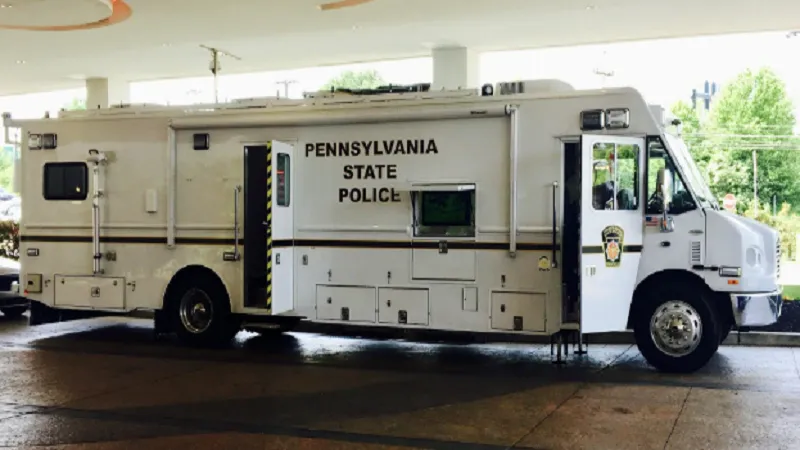
Public safety work depends on speed, communication, and calm decision-making. When an incident develops in the field, response teams need more than radios and vehicles spread across a scene. They need a central place where information can be collected, verified, organized, and turned into action. A mobile command vehicle gives agencies that kind of field-ready coordination space, allowing teams to manage operations close to the situation instead of relying only on a distant headquarters.
These vehicles are especially useful because emergencies and public events rarely happen in controlled settings. A major traffic incident, community festival, sporting event, missing person search, severe weather response, security operation, or large investigation can involve multiple teams working across different zones. A mobile command unit helps create structure in that movement. It gives leaders and support staff a stable environment for planning, communication, documentation, and resource coordination.
Why Mobile Command Capability Matters
A strong response often depends on how quickly teams can form a clear picture of what is happening. Field information may come from officers, dispatch, cameras, maps, radio traffic, public reports, emergency medical teams, fire departments, or municipal agencies. Without a central hub, those updates can become scattered. A mobile command vehicle helps reduce that fragmentation by giving responders a dedicated place to manage information flow.
The purpose is not only convenience. It is operational control. Inside the vehicle, teams can review maps, assign tasks, track resources, communicate with different agencies, manage timelines, and brief personnel. The vehicle becomes a working command environment that can be positioned near the action while still offering protection, power, technology, and organization.
The Vehicle Becomes a Field Office Under Pressure
A mobile command unit must work like a compact field office, but with higher demands. It may need radio systems, workstations, displays, secure storage, internet access, power management, lighting, seating, climate control, and space for decision-makers to review information. Every inch matters because the environment must remain usable when several people are working at once.
Good design reduces friction. Staff should not have to search for equipment, step around clutter, or struggle with poor visibility. The layout should support the natural rhythm of an incident: information comes in, decisions are made, assignments go out, and updates return. When the space supports that rhythm, the vehicle becomes a useful tool rather than just a parked asset.
Technology Trends and Command Vehicle Design
Modern command vehicles increasingly depend on technology. Agencies may use mapping tools, live video, data systems, communication platforms, digital records, weather feeds, mobile connectivity, and shared dashboards. These tools can improve awareness, but only when they are supported by practical vehicle design. Screens need proper placement. Workstations need power. Devices need secure storage. Cables and equipment need clean integration.
Broader conversations about technology trends and digital systems show how connected tools continue to shape the way organizations work. For public safety vehicles, the lesson is clear: technology should improve coordination without overwhelming the people using it. The command space must keep tools accessible, organized, and useful during real field conditions.
Reliable Systems Matter More Than Flashy Features
A command vehicle does not need technology for decoration. It needs technology that works when the situation is busy, stressful, and time-sensitive. Radios, displays, routers, charging systems, lighting, cameras, and backup power all need to be planned around reliability. If a system is difficult to use or poorly integrated, it can slow the team instead of helping it.
The best command vehicle designs keep technology practical. They give each tool a purpose and a place. They protect sensitive equipment during travel. They reduce loose wiring and visual confusion. They make it easier for teams to focus on the incident rather than the equipment around them.
Context: Understanding Field Coordination in Real Operations
When police departments, emergency managers, public safety teams, or municipal agencies need a mobile coordination space, the vehicle must support communications, staff workflow, reliable systems, secure storage, and rapid deployment in changing field conditions. Clear guidance on mobile command uses helps explain how these vehicles can support incident response, planned events, investigations, emergency operations, and multi-agency coordination from a professional field-based hub.
Public Events and Planned Deployment
Mobile command vehicles are not only useful during emergencies. They can also support planned events where large crowds, traffic control, security, medical readiness, and communication all need coordination. A parade, marathon, concert, festival, government gathering, or sporting event may require several teams to work together across a wide area. A mobile command unit gives organizers and public safety teams a visible coordination point.
The importance of planning around public gatherings is reflected in discussions of sports and event marketing operations, where successful events depend on audience flow, planning, visibility, and organized execution. Public safety teams face a similar need from a response perspective. The event may be built for the crowd, but the command structure must be built for readiness.
Preparedness Before the Crowd Arrives
For planned events, the command vehicle can be positioned before crowds arrive. Teams can test systems, confirm communication channels, review maps, brief personnel, and prepare for possible scenarios. This early setup helps agencies respond faster if something changes. It also gives field teams a clear place to report, coordinate, or receive updated instructions.
Preparedness is not only about reacting to incidents. It is about reducing confusion before it starts. A mobile command unit helps create that preparation by making coordination visible, accessible, and organized in the field.
Brand Section: Craftsmen Industries
Craftsmen Industries is associated with custom fabrication, specialized vehicles, mobile command units, public safety builds, large-format graphics, fleet branding, mobile medical vehicles, trailers, and field-ready environments. In the public safety category, the brand’s relevance comes from the need to create vehicles that combine operational function with durable construction and professional presentation.
A police or emergency command vehicle may represent a department during high-pressure incidents, community events, search operations, or regional response efforts. The finished build must support real work inside while communicating readiness outside. It may need to carry technology, protect equipment, guide staff workflow, and remain dependable through repeated deployment. That requires fabrication discipline, careful planning, and an understanding of field use.
Designing for Multi-Agency Coordination
Many situations require police, fire, emergency medical services, transportation teams, utilities, public health officials, and local leadership to communicate quickly. A mobile command vehicle should support that collaboration without becoming crowded or confusing. Flexible work zones, shared screens, seating, storage, and communication access can help different teams coordinate from one place.
The vehicle should also be adaptable. One week it may support a festival. Another week it may be used for a search operation, storm response, or training exercise. A flexible interior gives agencies more value because the same asset can support different missions across its service life.
Small Details Create Readiness
Readiness often lives in details that are easy to overlook. A stable work surface, clear lighting, accessible entry, secure storage, organized cable paths, readable displays, and logical seating can all influence how well the vehicle performs. These details do not call attention to themselves, but they help teams work faster and with fewer distractions.
A command vehicle succeeds when it gives responders confidence. The space should feel prepared, practical, and dependable. When the situation outside is uncertain, the environment inside should help create order.
Conclusion
Mobile command vehicles give public safety teams a practical way to coordinate field operations, manage communication, and support decision-making near the scene. They are useful during emergencies, investigations, planned events, community operations, and multi-agency response efforts.
The strongest command vehicles are built around real operational needs. They combine durable fabrication, reliable technology, clear workflow, flexible interiors, and practical deployment planning. When designed well, a mobile command unit becomes more than transportation. It becomes a field-ready coordination center that helps teams respond with clarity when it matters most.