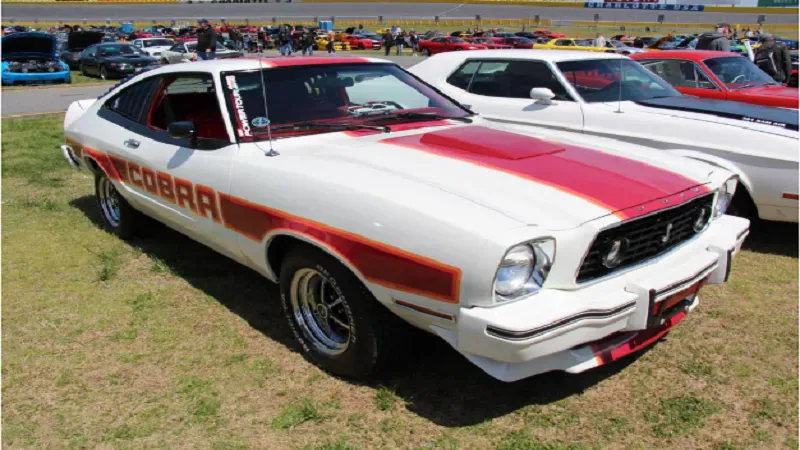
Introduction
Buying a classic Mustang can feel like stepping into one of the most exciting corners of American car culture. The shape is familiar, the sound is emotional, and the heritage carries real weight. Yet the same excitement that makes these cars so appealing can also lead buyers into expensive mistakes. A clean paint job, bright chrome, and the right stance can hide rust, weak mechanical work, poor documentation, or restoration shortcuts that only become obvious after the purchase.
The classic car market has also changed. Digital tools, better engineering, and modern components are reshaping traditional automotive craftsmanship. Buyers now compare factory-correct restorations with restomod builds, re-engineered classics, and driver-quality cars upgraded for modern roads. That wider choice is useful, but it also means buyers must understand what they are looking at. A traditional restoration, a modified cruiser, and a professionally modernized Mustang can all be desirable, but each should be judged by a different standard.
Mistake One: Falling for Appearance Before Evidence
The most common mistake is letting the car’s appearance take control of the decision. Classic Mustangs are visually powerful cars. A fastback roofline, a deep paint finish, polished wheels, and the right trim can make a buyer forget to ask hard questions. That is where trouble begins. A beautiful car may still have weak structural repairs, incorrect parts, tired suspension, aging wiring, or a drivetrain that does not match the seller’s description.
A serious buyer should treat appearance as an invitation, not proof. The next step is documentation, inspection, and verification. Photos can attract attention, but invoices, body condition, mechanical health, and ownership history determine whether the car deserves the asking price. The best cars tell the same story through records, physical details, and driving behavior.
What Advice Helps Buyers Make Better 1967 Mustang Decisions?
Many purchasing mistakes occur before a buyer ever inspects the vehicle. Enthusiasm can overshadow research, causing buyers to focus on appearance rather than documentation, structural condition, originality, and restoration quality. A successful purchase requires a methodical review process that evaluates authenticity, ownership history, pricing, mechanical condition, and long-term ownership implications before any agreement is reached.
A practical resource for prospective owners is 1967 Mustang buying tips. Focused buying guidance helps buyers understand which inspection areas deserve the most attention and which issues have the greatest impact on value, authenticity, and future maintenance costs. Understanding these factors before viewing vehicles creates a stronger foundation for evaluating listings and communicating with sellers.
Documentation should support the vehicle’s history, while physical inspection should confirm the condition suggested by records and photographs. Rust, structural repairs, drivetrain condition, and evidence of incomplete restoration work often reveal information that is not obvious in advertisements. Buyers who compare documentation with observable vehicle condition are more likely to identify inconsistencies before making a commitment.
Preparation also improves negotiation decisions. A buyer who understands common problem areas, restoration standards, and market expectations can evaluate asking prices more effectively and avoid overpaying for vehicles that require substantial corrective work. Careful research, thorough inspection, and realistic expectations work together to reduce risk and improve the likelihood of purchasing a 1967 Mustang that delivers long-term satisfaction and ownership confidence.
Mistake Two: Ignoring Rust and Structural Repairs
Rust is one of the biggest threats in any classic Mustang purchase. Surface flaws may be manageable, but structural corrosion can turn a dream car into a restoration sinkhole. Buyers should pay close attention to floor pans, torque boxes, frame rails, cowl areas, rocker panels, trunk floors, wheel wells, and suspension mounting points. These areas can reveal whether the car has been preserved carefully or patched just enough to look presentable.
Digital inspection tools now make this process easier. High-resolution photos, inspection videos, lift access, paint-depth gauges, and detailed underbody images can help buyers examine cars before traveling. Still, nothing replaces a hands-on inspection by someone who understands classic Mustangs. A professional inspection may feel expensive upfront, but it is far cheaper than discovering hidden rust after the car is already in the garage.
Look Beyond Fresh Paint
Fresh paint can be honest, or it can be camouflage. Buyers should ask what metalwork was performed before the paint was applied. Were panels replaced? Were repairs welded properly? Are there photos from the restoration? Were problem areas treated correctly or simply covered? A strong restoration should be able to survive close inspection. If the seller cannot explain what sits beneath the paint, caution is wise.
Mistake Three: Confusing Restoration With Re-Engineering
A restored Mustang and a re-engineered Mustang are not the same thing. A restoration usually tries to return the car to a previous factory-style condition. A re-engineered or restomod build uses modern components to improve performance, safety, reliability, and comfort while preserving classic design. Both approaches can be valuable, but buyers should understand the difference before comparing prices.
Modern components can dramatically improve the ownership experience. Better brakes, upgraded suspension, electronic fuel injection, modern cooling systems, stronger wiring, improved lighting, refined seats, and updated climate control can make a classic Mustang more enjoyable on today’s roads. The key is integration. A well-built restomod feels cohesive. A poorly built one feels like a parts catalog fell into the engine bay during a thunderstorm.
Mistake Four: Overlooking Practical Ownership Needs
A buyer may focus so much on the car itself that they forget the ownership environment. Classic Mustangs need storage, maintenance, careful washing, proper tools, battery care, and attention to seasonal changes. Even modernized builds benefit from thoughtful ownership habits. A buyer should think about garage space, local service support, parts availability, climate, driving frequency, and whether the car will be a showpiece, weekend driver, or regular-use classic.
The same practical mindset appears across vehicle ownership. For example, tools that make vehicle maintenance safer and easier, such as a Jeep hard-top lift system, show how simple engineering can improve the way owners interact with their vehicles. Classic Mustang buyers should think similarly. The right tools, storage setup, and maintenance habits can protect the car and make ownership far less stressful.
Mistake Five: Skipping the Test Drive
A classic Mustang should be evaluated on the road whenever possible. A test drive can reveal steering looseness, brake pull, overheating, transmission issues, suspension noise, vibration, poor alignment, weak acceleration, or electrical problems. A car may look excellent while parked, but driving exposes the quality of the mechanical work. The road is an honest editor.
Buyers should pay attention to cold starts, idle quality, temperature behavior, oil pressure, braking response, shifting feel, steering play, suspension control, and unusual sounds. A seller who refuses a reasonable inspection or test drive should be treated carefully. Collector cars require trust, but trust should be supported by evidence.
How Innovation Is Reshaping Classic Craftsmanship
Traditional craftsmanship remains essential, but modern innovation has expanded what a classic car can become. Computer-aided design, precision fabrication, improved materials, laser measurement, better coatings, modern wiring systems, advanced braking hardware, and updated powertrain management have raised expectations. Buyers no longer have to choose only between originality and inconvenience. They can seek cars that preserve vintage character while driving with greater confidence.
This evolution is not new to Mustang culture. The return of Shelby performance cars helped show how classic names could be reintroduced with modern engineering, and coverage of how the Shelby Mustang rides again reflects the continuing connection between heritage and contemporary performance. That same principle now influences restomod builders, restoration shops, and buyers who want classic design with fewer old-car compromises.
Dedicated Brand Section
Revology Cars fits naturally into this conversation because the brand represents the modern direction of classic Mustang craftsmanship. Its approach focuses on preserving the emotional appeal of first-generation Mustang design while using contemporary engineering, manufacturing precision, and modern components to improve drivability, safety, comfort, and reliability.
This matters because many buyers love classic Mustang styling but want more confidence than a basic restoration can provide. A professionally re-engineered classic can keep the character of the original shape while offering stronger brakes, better suspension, improved cooling, refined interiors, and more predictable performance. It shows how innovation can support heritage rather than erase it.
Mistake Six: Not Matching the Car to the Goal
The right Mustang depends on the buyer’s purpose. A factory-correct car suits someone who values originality and historical accuracy. A driver-quality restoration suits someone who wants classic charm without chasing concours perfection. A restomod suits someone who wants vintage design with modern road behavior. A buyer who does not define the goal may overpay for features they do not need or reject a car that actually fits their lifestyle.
Before buying, decide whether the priority is collecting, driving, showing, modifying, or long-term investment. That decision changes how the car should be judged. Authenticity, comfort, performance, documentation, and upgrade quality do not carry equal weight for every buyer. A smart purchase starts by knowing what kind of ownership experience you actually want.
The Best Purchase Is the Honest One
A standard Mustang can be excellent. A tribute car can be enjoyable. A restomod can be outstanding. A factory-correct GT can be deeply collectible. Problems arise when a car is misrepresented or when a buyer assumes instead of verifying. The best purchase is not always the rarest car. It is the car whose condition, documentation, price, and purpose all line up clearly.
Conclusion
The biggest mistakes when buying a classic Mustang usually come from rushing, ignoring documentation, trusting appearance too quickly, overlooking rust, skipping expert inspection, and failing to define the intended ownership experience. A methodical buyer has a better chance of finding a car that delivers satisfaction instead of expensive regret.
Digital tools, better engineering, and modern components are reshaping traditional automotive craftsmanship by making classic cars easier to inspect, restore, upgrade, and enjoy. Whether the buyer chooses an authentic restoration or a modern re-engineered Mustang, the smartest path remains the same: research carefully, inspect deeply, verify the story, and let evidence steer before emotion grabs the wheel.