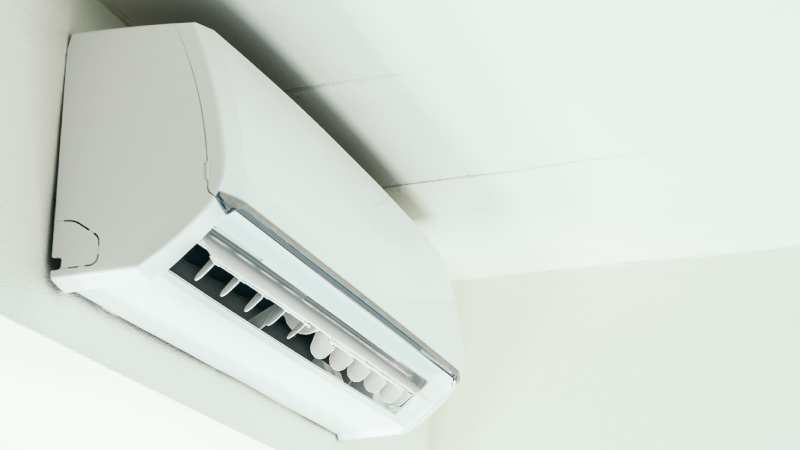
When each room of your home requires different airflow, insulation, and temperature settings, finding the right cooling solution can be complicated. Many people buy an air conditioner just because of the price or the look, but then end up with uneven cooling, high electricity bills, or ongoing maintenance problems.
Moreover, if you choose the wrong unit, you could end up with an uncomfortable room, not an efficient one. Therefore, it is important to know how wall-mounted cooling systems work before you make your decision.
The right unit can not only provide comfort but also help save energy and ensure a stable indoor environment year-round. It’s important to consider several practical factors when deciding whether to upgrade an existing system or cool a new area.
This article offers tips on selecting the best wall air conditioner with confidence and clarity.
1. Understand The Size Of Your Room First
One of the first things you’ll want to consider when selecting a wall air conditioner is the area you need to cool. This is important because cooling capacity could directly impact comfort and efficiency. Most through-the-wall cooling units are split by BTU rating, which is the amount of heat they can remove from a room.
For instance, a small bedroom might only require an 8,000-BTU model, whereas a large living room might need 12,000 to 14,000 BTUs. Modern collections of wall air conditioners offer several models with various BTUs for various room sizes and cooling requirements.
A unit that’s too small will have a rougher time cooling the room. However, a system that is too powerful can switch between on and off too often, leading to higher energy use and poorer humidity control.
2. Pick Between Cooling-only And Heat-cooling Models
Then you can determine whether you require heating or heating and cooling. Today, many through-the-wall units also feature combination systems, allowing them to control both heating and cooling year-round.
Cooling-only systems are suitable when a person’s main interest is staying comfortable in the summer. But heat-and-cool models can offer extra flexibility in areas where seasonal temperature changes occur. Several models on the market offer these two features, so homeowners can rely less on other heating equipment.
This is especially valuable in apartments, guest rooms, offices, and converted spaces where it isn’t feasible to install a bigger HVAC system. When comparing, note how many units each heater requires, its modes of operation, and its temperature control options. These details can enhance convenience and improve long-term performance.
3. Be Mindful of Voltage Requirements
Another important consideration is electrical compatibility. The most common power systems for wall air conditioners are 115V and 230V. So, it is important to check your room’s electrical system before buying a unit.
Smaller units may be installed on standard 115V outlets, making them easier to install in bedrooms or other smaller rooms. Larger systems, on the other hand, with higher BTU ratings, often need to be plugged into 230V to accommodate their higher output. Many wall units have a “clearly” listed voltage requirement in addition to the cooling capacity.
If this detail is overlooked, it can cause delays in installation or extra electrical upgrade expenses. So, if you check your circuit capacity ahead of time, you will save yourself some problems. Also, when making changes to the electrical system, always think about professional installation. A good setup promotes safety, efficiency, and long-term operation.
4. Focus On Energy Efficiency Features
You should also consider energy efficiency. During hot months, air conditioners are usually running for long periods, and a more efficient air conditioner will save a lot of energy over the years.
Modern wall air conditioners often feature programmable timers, energy-saving modes, digital thermostats, and smart temperature controls. Some models also feature inverter technology or a smart connectivity option, which can help optimize cooling performance.
These features help you maintain comfortable temperatures without wasting energy. This means you can expect lower monthly utility bills and better system performance.
If you are comparing products, make sure you look into energy ratings and the important operating features. While efficient units may be more expensive to begin with, they may be more than worth it in the long run.
5. Consider Noise Levels And Everyday Comfort
Cooling power matters, but comfort also depends on how quietly the system operates. Some older air conditioners generate constant noise that can interrupt sleep, conversations, or work productivity.
Fortunately, many modern through-the-wall systems are designed for quieter operation. This makes them suitable for bedrooms, offices, apartments, and study areas where noise control is important.
While reviewing different options, look for features such as multiple fan speeds, sleep modes, and advanced airflow systems. These functions help create a more balanced indoor environment while minimizing operational noise.
You should also evaluate control accessibility. Remote controls, digital displays, and smart functionality can improve convenience and make daily adjustments easier. Ultimately, selecting a system that balances performance with quiet operation can improve your overall satisfaction long after installation.
6. Think About Installation And Wall Compatibility
Before making a final purchase, evaluate the unit’s physical installation requirements. Through-the-wall air conditioners require properly sized wall sleeves and adequate structural support.
Some homes already include compatible wall openings, while others may require modifications before installation. Therefore, measuring the available wall space accurately is extremely important.
Additionally, think about exterior airflow clearance. Proper ventilation helps the unit perform efficiently and prevents overheating issues. If installation requirements appear complex, professional assistance may help ensure proper alignment, electrical setup, and sealing.
A properly installed system improves energy efficiency, minimizes air leaks, and enhances long-term durability. Planning these details can prevent unnecessary adjustments later and create a smoother installation process overall.
Final Thoughts
Choosing the right wall air conditioner involves more than simply selecting a model with strong cooling power. You should carefully evaluate room size, BTU capacity, voltage compatibility, energy efficiency, installation requirements, and comfort features before making a decision.
In addition, considering whether you need heating functionality can help you select a unit that supports year-round indoor comfort. Modern through-the-wall systems now offer multiple performance options, making it easier to match a unit to your specific space and lifestyle needs.
When you focus on practical performance factors instead of impulse buying, you improve both comfort and long-term efficiency. Ultimately, the right cooling system should deliver reliable airflow, manageable energy usage, quiet operation, and dependable everyday performance for the space you use most.