Why Sound Quality Shapes First Impressions
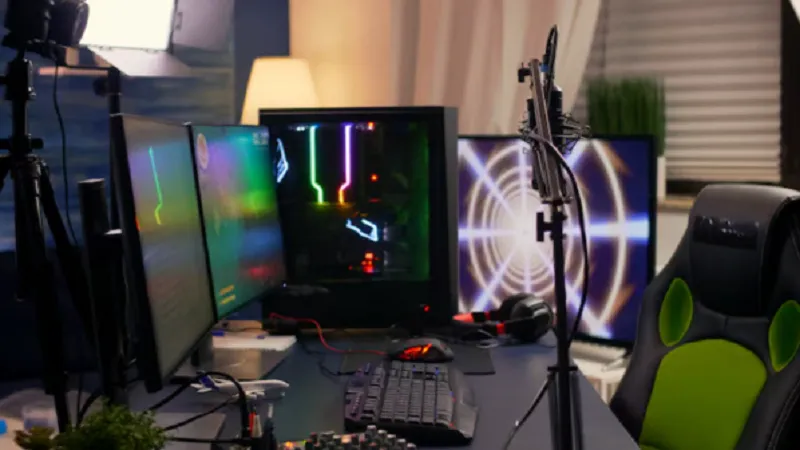
Live streaming has grown from a niche hobby into a full industry. Platforms like Twitch and YouTube have made it possible for anyone with a computer and internet connection to broadcast their gameplay to the world. For this reason, investing in a reliable gaming streaming microphone can significantly improve audio clarity and enhance the overall viewing experience for audiences. While many new streamers focus heavily on video resolution and frame rates, they often overlook one important factor: sound quality.
When viewers join a stream, they notice the audio almost immediately. A clear and steady voice makes the content easy to follow. On the other hand, distorted sound, background noise, or uneven volume can push people away within seconds. Even if the gameplay looks sharp and runs smoothly, poor audio makes the entire stream feel unprofessional.
For many viewers, the streamer’s voice is the main reason they stay. The commentary, reactions, and interaction create the personality of the channel. Without clean audio, that connection becomes weak. In streaming, your voice is not just background noise. It is the centre of the experience.
The Role of Audio in Creating a Strong Connection
Streaming is different from simply uploading recorded gameplay. It happens in real time. Viewers can respond through chat, ask questions, and react to what is happening on screen. This direct interaction depends on clear communication.
A good microphone allows the streamer to speak naturally without worrying about being misunderstood. When people can hear tone, emotion, and small changes in voice, the stream feels more personal. Laughter sounds real. Excitement feels genuine. Even quiet moments carry weight.
If the sound is muffled or full of static, that sense of connection disappears. Viewers may struggle to understand what the streamer is saying. They may need to increase their volume, which can make background noise even more noticeable. Over time, frustration builds, and they leave.
In live streaming, the voice carries personality. It builds trust. It creates a sense of familiarity. Without clear audio, even the most skilled player can struggle to build an audience.
How Poor Audio Drives Viewers Away
People are more forgiving of average video quality than they are of bad sound. A stream running at a slightly lower resolution can still be enjoyable. However, harsh audio, constant buzzing, or sudden volume spikes quickly become tiring.
Viewers often watch streams for long periods. Some keep them running in the background while working or studying. In these cases, the voice becomes the main focus. If it sounds rough or distracting, they will search for another channel.
Audio problems also make a streamer appear less prepared. Even if the issue is technical and temporary, repeated sound issues can harm credibility. In a competitive environment where thousands of channels are available, small problems matter.
High-quality audio shows effort. It signals that the streamer cares about the viewer’s experience. That impression alone can help build loyalty.
What Makes a Streaming Microphone Stand Out
Not all microphones perform the same way. A microphone designed for streaming focuses on capturing the voice clearly while reducing unwanted noise from the room. One common design is the cardioid pattern. This type of microphone picks up sound mainly from the front and limits sound from the sides and back.
For streamers who use mechanical keyboards or sit in rooms with fans or other background noise, this feature makes a noticeable difference. It helps ensure that viewers hear speech instead of constant clicking or humming.
Many high-quality microphones also include built-in shock mounts. These reduce vibrations caused by desk movement or accidental bumps. Without this feature, even small touches to the desk can create loud sounds in the broadcast.
Pop filters are another useful addition. They soften strong sounds made by certain letters, such as “p” and “b”. Without a pop filter, these sounds can create sharp bursts of air that distort the audio. Simple tools like these improve overall clarity and make speech smoother.
Ease of setup also matters. USB microphones are popular because they are simple to connect. Streamers can plug them directly into a computer without extra equipment. This convenience is helpful for beginners who want to start quickly without dealing with complicated settings.
Understanding Technical Quality Without Overcomplicating It
When shopping for a microphone, people often see terms like ‘sample rate’ and ‘bit depth’. These numbers relate to how detailed and accurate the recorded sound will be. Higher values usually mean better quality.
For example, a microphone capable of recording at 24 bit and 96 kHz can capture more detail than one with lower settings. This results in a cleaner and more natural sound. Subtle tones in the voice become clearer. The overall output feels smoother.
Frequency response is another important factor. This refers to the range of sound a microphone can capture. A wider range allows the device to record both low and high tones more accurately. While most streamers do not need studio-level equipment, having balanced frequency response helps ensure that the voice sounds full rather than thin or flat.
The key is not to chase numbers alone but to focus on how the microphone actually sounds during use. Clear and consistent performance matters more than impressive technical specifications on paper.
The Link Between Audio and Audience Growth
Growing a streaming channel takes time. Skill in a game can attract viewers at first, especially in popular titles like Fortnite or League of Legends. However, long-term growth often depends on personality and interaction.
Clear audio supports better communication with the audience. When viewers feel heard and understood, they are more likely to return. They may recommend the channel to friends. They may even support the streamer financially through subscriptions or donations.
On the other hand, if viewers struggle to hear responses to their messages, they may feel ignored. This can reduce engagement and weaken community building. A strong community depends on strong communication.
Professional sound also influences how sponsors and partners view a channel. Brands looking to collaborate often expect a certain level of production quality. Good audio signals that the streamer takes their work seriously.
New Trends in Streaming Microphone Design
As streaming continues to grow, microphone manufacturers adapt to changing needs. Many modern microphones now include RGB lighting to match gaming setups. While lighting does not improve sound, it adds visual appeal for viewers who see the setup on camera.
Real-time monitoring has also become more common. This feature allows streamers to hear their own voice through headphones without delay. It helps them adjust speaking volume and tone during a live session.
Wireless microphones are another development. These provide greater freedom of movement, especially for streamers who stand, use green screens, or incorporate physical activity into their content. Reliable wireless systems maintain stable audio without noticeable lag.
These changes reflect how streaming has moved beyond simple gameplay recording. It has become a performance space where sound, visuals, and personality all matter.
Choosing the Right Microphone for Your Setup
Selecting a microphone involves more than picking the most expensive option. Budget, room size, and existing equipment all influence the best choice. A beginner streaming from a bedroom may need a simple USB microphone with good noise control. A full-time creator might invest in an XLR microphone paired with an audio interface for greater flexibility.
Room acoustics also play a role. Even the best microphone can struggle in a room with echo. Soft furnishings, carpets, and sound panels can improve audio quality without changing equipment.
It is important to test different settings and listen to recordings before going live. Small adjustments in microphone position can greatly improve clarity. Placing the microphone too far away can reduce detail, while placing it too close may cause distortion.
Making thoughtful choices early on can prevent frustration later.
Why Audio Will Always Be a Core Part of Streaming
Streaming technology will continue to improve. Video resolutions will increase. Graphics will become more detailed. Internet speeds will rise. Yet, one thing will remain constant: viewers want to hear the person behind the screen.
A clear and steady voice builds familiarity. It creates comfort for returning viewers. Over time, that voice becomes part of their routine. They recognise it instantly. It feels reliable.
High-quality audio does not guarantee success, but it removes a major barrier. It allows personality and skill to shine without distraction. In a space filled with competition, removing obstacles matters.
Investing in a good microphone is not about chasing perfection. It is about respecting the audience’s time and attention. When viewers can focus on what is being said instead of struggling to hear it, the entire experience improves.
In the end, streaming is about communication. The games may change, trends may shift, and platforms may evolve, but the need for clear and honest sound will remain. A strong voice, delivered through reliable equipment, continues to be one of the most powerful tools any streamer can have.