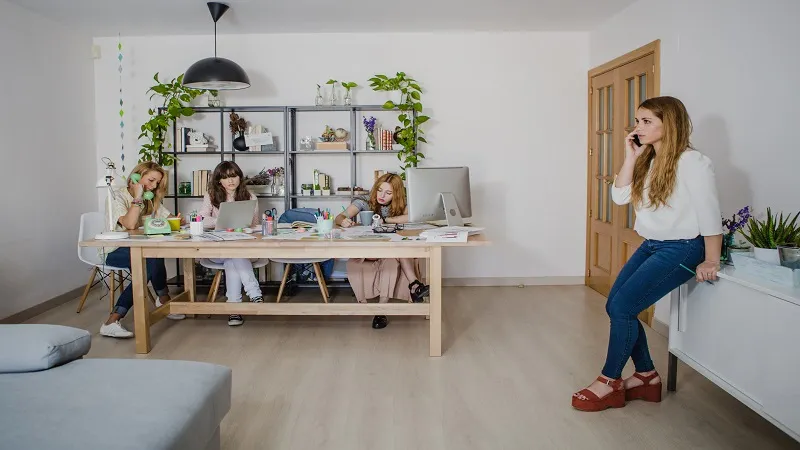
Living in a compact home doesn’t mean sacrificing comfort, functionality, or beauty. In fact, smaller spaces often inspire more creative and thoughtful design decisions. With the right approach, even the tiniest apartment or house can feel spacious, organized, and stylish. This guide explores practical, easy-to-follow interior design tips that help you make the most of limited space while maintaining a warm and inviting atmosphere.
Understanding the Challenges of Small Spaces
Before diving into solutions, it’s important to recognize the common challenges that come with compact living:
- Limited storage options
- Lack of natural light
- Visual clutter
- Restricted movement and layout flexibility
These challenges can make a space feel cramped and overwhelming. However, with smart planning and a few design tricks, you can transform these limitations into opportunities for creativity.
Prioritize Functionality First
In small homes, every piece of furniture and décor must serve a purpose. Avoid filling your space with items that are purely decorative unless they also contribute to the overall functionality.
Tips to improve functionality:
- Choose furniture that offers storage (like beds with drawers or ottomans with hidden compartments)
- Use foldable or extendable tables
- Opt for wall-mounted desks or shelves
When you design with purpose, your home naturally becomes more efficient and easier to maintain.
Use Light Colors to Open Up the Space
Color plays a huge role in how we perceive space. Light and neutral tones reflect more light, making rooms appear larger and brighter.
Best color choices:
- Whites and off-whites
- Soft pastels
- Light grays and beiges
You can still add personality by incorporating pops of color through cushions, rugs, or artwork. This balance keeps the space lively without overwhelming it.
Maximize Natural Light
Natural light is one of the most powerful tools in interior design. It instantly makes a space feel open and fresh.
How to enhance natural light:
- Use sheer or light curtains
- Keep windows unobstructed
- Place mirrors opposite windows to reflect light
If natural light is limited, use layered lighting—combine ceiling lights, floor lamps, and wall fixtures to create a bright and welcoming environment.
Choose Multi-Functional Furniture
Multi-functional furniture is essential in compact homes. It allows you to use one item for multiple purposes, saving both space and money.
Examples:
- Sofa beds for guests
- Foldable dining tables
- Storage benches
Investing in versatile furniture is one of the smartest ways to apply Small Space, Big Style: Smart Interior Design Tips for Compact Homes in real life.
Think Vertical, Not Just Horizontal
When floor space is limited, look up. Vertical space is often underutilized but offers great potential for storage and design.
Ideas for vertical usage:
- Install tall bookshelves
- Use wall hooks for hanging items
- Add floating shelves
This approach not only increases storage but also draws the eye upward, making the room feel taller.
Keep It Minimal and Clutter-Free
Clutter is the biggest enemy of small spaces. Too many items can make even a well-designed room feel chaotic.
Decluttering tips:
- Keep only what you truly need
- Use storage boxes to organize items
- Regularly donate or discard unused things
A clean and minimal space feels more open and calming, which is especially important in compact homes.
Use Mirrors to Create Illusion of Space
Mirrors are a classic design trick for making spaces appear larger. They reflect light and create the illusion of depth.
Best ways to use mirrors:
- Place a large mirror on one wall
- Use mirrored furniture
- Position mirrors to reflect windows or light sources
This simple addition can dramatically change how a room feels.
Smart Layout Planning
Arranging furniture thoughtfully can significantly improve how a space functions and feels.
Layout tips:
- Avoid blocking pathways
- Place larger furniture against walls
- Use rugs to define separate areas
Even in a small studio apartment, you can create distinct zones for sleeping, working, and relaxing.
Incorporate Hidden Storage Solutions
Hidden storage keeps your home looking neat without compromising on functionality.
Creative storage ideas:
- Under-bed storage containers
- Built-in cabinets
- Furniture with concealed compartments
These solutions help maintain a clean look while maximizing available space.
Add Personality Without Overcrowding
Just because your space is small doesn’t mean it has to be boring. Personal touches make a house feel like home.
Ways to add style:
- Use a few statement pieces instead of many small items
- Hang artwork or photos
- Add indoor plants for a fresh touch
The key is to strike a balance between style and simplicity, which is at the heart of Small Space, Big Style: Smart Interior Design Tips for Compact Homes.
Use Sliding Doors and Curtains
Traditional doors take up space when they swing open. Sliding doors or curtains are excellent alternatives for compact homes.
Benefits:
- Save space
- Improve accessibility
- Add a modern touch
They work especially well for closets, bathrooms, or room dividers.
Create Multi-Purpose Zones
In small homes, one room often serves multiple functions. Designing flexible spaces is essential.
Examples:
- A living room that doubles as a workspace
- A bedroom with a study corner
- A dining area that can be folded away
Using rugs, lighting, or furniture placement can help define these zones without building walls.
Choose the Right Scale of Furniture
Oversized furniture can make a small room feel even smaller. It’s important to select pieces that fit the scale of your space.
Tips:
- Go for sleek, compact designs
- Use furniture with exposed legs to create a sense of openness
- Avoid bulky items
Well-proportioned furniture enhances both comfort and aesthetics.
Add Texture and Layers
Even in a small space, layering textures can create depth and interest without clutter.
Ideas:
- Mix fabrics like cotton, wool, and linen
- Use rugs and throws
- Combine different materials like wood, metal, and glass
This adds warmth and character to your home.
Maintain Consistency in Design
A consistent design theme helps create a cohesive look, making the space feel more organized and spacious.
How to maintain consistency:
- Stick to a limited color palette
- Use similar materials throughout
- Keep décor styles aligned
Consistency reduces visual chaos and enhances the overall flow of the space.
Final Thoughts
Designing a compact home requires creativity, planning, and a focus on what truly matters. By prioritizing functionality, using smart storage solutions, and keeping the design simple yet stylish, you can transform even the smallest space into a comfortable and beautiful home.
Remember, small spaces are not limitations—they are opportunities to design smarter and live more intentionally. By applying these ideas from Small Space, Big Style: Smart Interior Design Tips for Compact Homes, you can create a home that feels spacious, organized, and uniquely yours.